
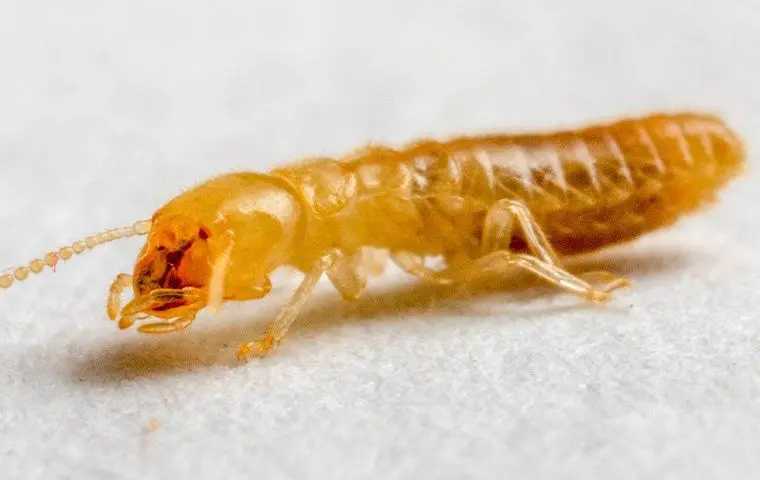
Termites cost homeowners more than almost any other household pest. The National Pest Management Association estimates termites cause over $5 billion in damage across the U.S. each year, and most of it is not covered by standard homeowners insurance. Texas takes a heavy share of that bill. Our warm, humid climate and long active season make the state one of the most at-risk in the country.
The good news: most termite damage is preventable. This guide covers the termites that target Texas homes, the prevention steps that actually work, and the early warning signs to watch for. Use it to protect your property before a small problem turns into a structural one.
Why Termite Prevention Matters for Texas Homeowners
Prevention is cheaper, faster, and less stressful than dealing with an active infestation. Here is what is at stake when termites go unchecked.
Economic Impact
Termites can cause heavy structural damage, and the repairs are expensive. The damage often goes unnoticed until it is severe, so the cost climbs quietly. Regular inspections and treatment cost far less than rebuilding floor joists, wall studs, or framing. Prevention also protects something insurance usually will not: most policies exclude termite damage entirely.
Preservation of Property
Your home is likely your largest investment. Termites feed on the wooden structure that holds it up, which weakens the home from the inside out. Soil treatments, bait systems, and barrier applications create a shield around the structure. These measures protect both the safety of the home and its resale value.
Health and Safety
Termites do not bite or sting people, but a hidden infestation can still affect your living space. As termites tunnel through walls, they introduce moisture into wood and drywall. That moisture can feed mold growth, and mold spores and termite dust can aggravate allergies or asthma in sensitive people. Catching termites early keeps the structure dry and the indoor air cleaner.
Environmental Welfare
Modern termite control does not have to mean blanketing your yard in chemicals. Integrated pest management (IPM) focuses on prevention first, then targeted treatment only where needed. This approach reduces pesticide use while still protecting the home. A licensed pro can build an IPM plan that fits your property and your comfort level.
Know the Termites That Threaten Texas Homes
Smart prevention starts with knowing your enemy. According to Texas A&M AgriLife Extension, three groups matter for Texas homeowners.
- Native subterranean termites (genus Reticulitermes). The most common termite in Texas and the main threat in North Texas and the Weatherford area. They live underground and build mud tubes to reach the wood in your home.
- Formosan subterranean termites. Faster and more destructive than native species, but in Texas they are mostly limited to the upper Gulf coast. They are rare in North and Central Texas. Do not let a sales pitch scare you into paying for coverage you likely do not need this far inland.
- Drywood termites. Less common, found mostly in coastal areas. They live inside the wood itself and leave small pellet-shaped droppings called frass.
For most homes around Weatherford and Parker County, native subterranean termites are the real concern. They thrive in our clay soils and slab-on-grade foundations, and they stay active for much of the year.
Termite Prevention Tips for Your Texas Home
Termites need three things: moisture, food (wood), and a way in. Take those away and you make your home a hard target. Work through the steps below.
1. Control Moisture Around the Foundation
Subterranean termites cannot survive without water. Cut off their supply.
- Fix leaky faucets, pipes, and irrigation lines promptly.
- Clean gutters and aim downspouts away from the foundation.
- Redirect AC condensate drainage so it does not pool near the slab.
- Keep crawl spaces ventilated and humidity below 50%.
2. Break the Wood-to-Soil Connection
Any spot where wood touches soil is a direct highway into your home.
- Keep a 6-inch gap between soil and any wood siding, trim, or framing.
- Lift deck posts, fence bases, and porch steps off bare ground where possible.
- Replace wooden landscape edging with stone or metal.
3. Fix Your Landscaping and Mulch
Mulch holds moisture and feeds termites right next to your foundation.
- Keep mulch at least 4 to 6 inches from the foundation and no more than 2 to 3 inches deep.
- Use stone or gravel instead of wood mulch in the first border against the house.
- Trim shrubs and plants so they do not touch the siding.
- Remove dead stumps, roots, and buried scrap wood from the yard.
4. Move Firewood and Wood Debris Away
A woodpile against the house is a bridge termites will gladly cross.
- Store firewood and lumber at least 20 feet from the home.
- Keep the pile off the ground on a rack.
- Clear cardboard, scrap wood, and debris from crawl spaces and under decks.
5. Seal Entry Points
Termites slip through tiny gaps you would never notice.
- Caulk cracks in the foundation and around utility lines.
- Inspect and seal gaps near window frames, door frames, and pipe penetrations.
6. Grade Soil Away From the House
Standing water near the slab is an open invitation. Make sure the ground slopes away from the foundation so rain drains off instead of pooling. After a heavy North Texas storm, walk your property and look for spots where water lingers against the house. Those are the areas to fix first.
For new construction or a major remodel, ask about a pre-construction termite barrier. Treating the soil before the slab goes down is one of the most effective forms of prevention.
Early Warning Signs of Termites
Even with good habits, you should know what trouble looks like. Watch for these signs.
- Mud tubes. Pencil-thin dirt tunnels running up the foundation, often near where wood meets the ground.
- Swarmers and discarded wings. Winged termites appear in spring, often on warm days after rain. Small piles of shed wings near windowsills are a red flag.
- Hollow-sounding wood. Tap beams, baseboards, and trim. A hollow or papery sound can mean termites have eaten the inside.
- Frass. Tiny pellet-shaped droppings, usually from drywood termites, found in small piles.
- Bubbling or blistering paint. Moisture from termite activity can make paint crack or bubble on walls and ceilings.
If you spot any of these, do not wait. Early action saves thousands in repairs.
When to Call a Professional
DIY steps reduce your risk, but they cannot wipe out an established colony. Subterranean termites live underground in numbers that home sprays will never reach. That is where a professional termite treatment in Weatherford comes in.
Schedule a professional inspection at least once a year. Homes with a past termite history, heavy landscaping, or moisture issues should be checked every 6 to 9 months. Our climate keeps termites active for much of the year, so a “check every few years” habit is risky.
When treatment is needed, a licensed pro will typically recommend one of these:
- Liquid termiticide barriers. Applied around the foundation to create a treated zone in the soil.
- Bait station systems. Placed around the property to take a slow-acting bait back to the colony and wipe it out.
- Pre-construction soil treatment. Best protection for new builds and additions.
Texas requires licensed professionals to apply termiticides. For a deeper look at protecting your home, see our guide on quality termite control for Weatherford properties.
Termite Prevention FAQ
How often should I get a termite inspection in Texas?
Once a year is the minimum for most homes. High-risk properties should be inspected every 6 to 9 months. Termites stay active for much of the year here, so regular checks catch problems early.
Does homeowners insurance cover termite damage?
Usually not. Most standard policies treat termite damage as a preventable maintenance issue, so the repair cost falls on you. That is why prevention pays off.
Are Formosan “super termites” a threat in North Texas?
Rarely. Texas A&M AgriLife Extension notes Formosan termites are mostly limited to the upper Gulf coast. In Weatherford and Parker County, native subterranean termites are the real concern.
Can I prevent termites myself?
You can lower your risk a lot. Control moisture, break wood-to-soil contact, manage mulch, and move firewood away. Pair those habits with an annual professional inspection for full protection.
When do termites swarm in Texas?
Native subterranean termites usually swarm in spring, often on warm days after rain. Seeing winged termites near your home is a sign a colony is nearby.
Protect Your Texas Home Before the Next Swarm
Termites work in silence, but you do not have to wait for damage to act. Control moisture, cut off wood-to-soil pathways, and keep up with annual inspections. Pair those steps with professional pest control services and you put your home far ahead of the threat.
Pinnacle Pest Protection serves Weatherford, Parker County, and the surrounding North Texas area. Schedule your termite evaluation today and protect your investment for good. Have more questions first? Browse our pest control FAQs or see the areas we serve.