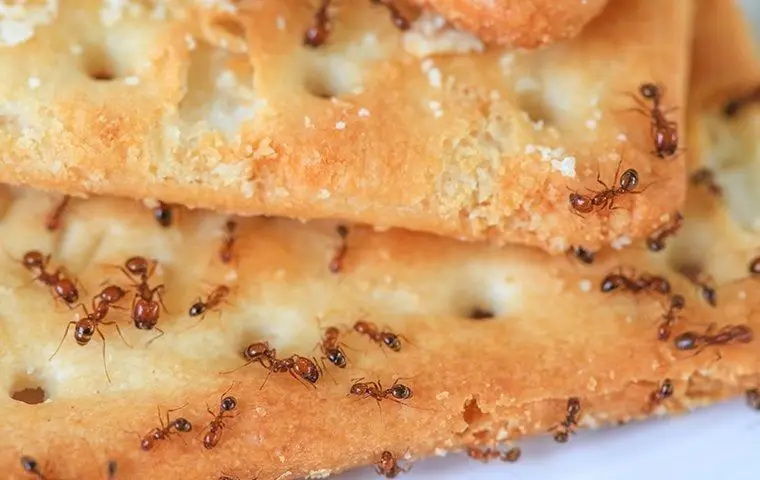
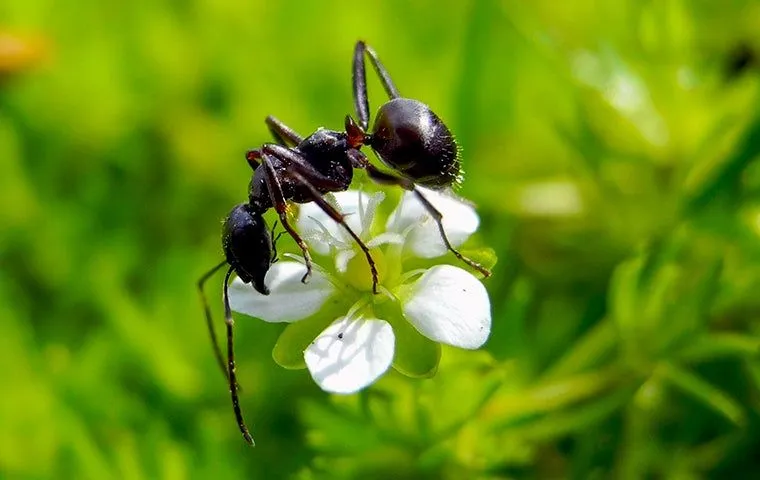
Ants in your yard move to and from their nest daily, searching for food. Open trash cans, outdoor eating areas, and gardens provide them with reliable food sources. Their excellent sense of smell also allows them to discover food sources in your home. They will move in and out of your home each day and sometimes decide to make themselves permanent members by creating an indoor satellite nest.
Sharing your home with ants is not only unpleasant but can be dangerous. Ants carry on their bodies bacteria and other pathogens they can spread to your home’s surfaces and food. In addition, ants can create unpleasant orders, cause structural damage, and some can bite and sting people. When you notice ants in or around your home, the fastest way to eliminate them and prevent their return is to reach out to a professional.
Help prevent problems with ants on your Texas property with the help of the following ant prevention tips.
- Eliminate their access to food by keeping lids on trash cans, picking up uneaten pet food, and harvesting gardens.
- Regularly vacuum to remove food debris that will keep ants from returning to your home.
- Repair common entry points- use caulk to seal cracks and crevices in your home’s foundation, places weather-stipping around windows and doors, and install door sweeps.
Call today for more information about solving your property’s ant problems.