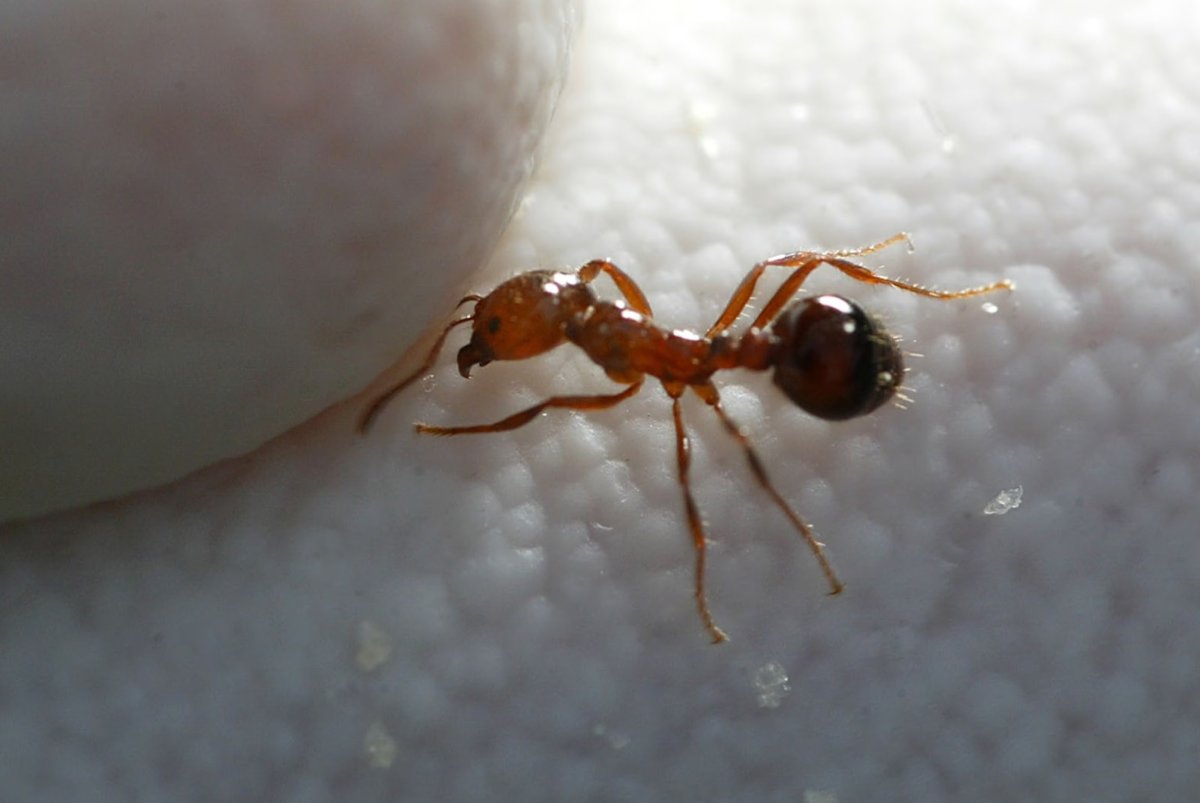
Your Local Fire Ant Exterminator in Weatherford, Texas
Pinnacle Pest Protection treats fire ants across Weatherford and Parker County. These pests are more than a nuisance. They threaten your family, your pets, and your property. As a trusted pest control company in Weatherford, we deliver fire ant control that lasts. Your yard becomes safe to use again.
Fire ants are a real problem for anyone who spends time outside. Their stings burn and itch, and they can trigger allergic reactions. Colonies spread fast and are hard to beat without professional help.
Our team identifies, treats, and prevents fire ant infestations. We treat the mounds you can see and the colonies you cannot. The goal is a yard you can walk barefoot in again.
Not sure the ants in your yard are fire ants? We handle every ant species in Parker County. Read our guide to ant control for your Weatherford home, or just call us and we will identify them for you.
How to Identify a Fire Ant Mound
Correct ID matters, because fire ants are treated differently than other ants. Here is what sets them apart.
- No center hole. This is the giveaway. Most ants build a nest with an obvious opening in the middle. Fire ant mounds have no central entrance. The ants come and go through tunnels underground.
- A dome of loose, fluffy soil. Mounds look like a pile of worked dirt. They are rarely wider than 18 inches, though they can get taller in pasture and unmowed ground.
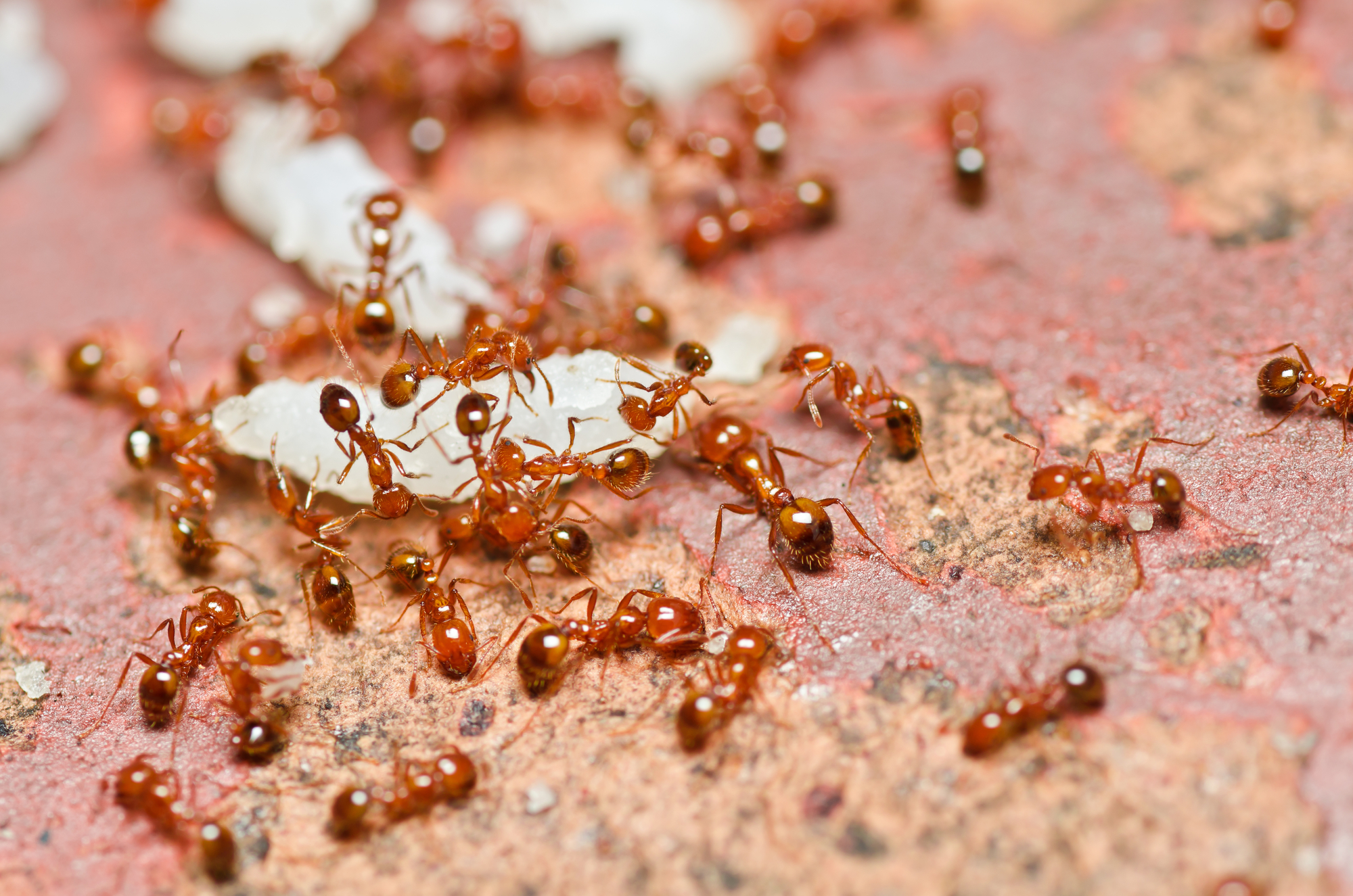
- Workers in mixed sizes. In one fire ant mound you will see ants from about 1/16 inch up to nearly 1/4 inch. Most native ants are all one size.
- Instant, aggressive swarming. Disturb a mound and workers pour out in seconds, run up any vertical surface, and sting together.
Do not kick or poke a mound to test it. That is how people get stung a dozen times at once. If you are not certain, send us a photo or book an evaluation.
Why Mounds Appear Overnight After Rain
Fire ants nest in a column of tunnels roughly 12 to 18 inches across and about 3 feet deep. Most of the colony lives below ground where you never see it.
After cool, rainy weather in spring and fall, water collapses their tunnels. The ants clear the blockage and push the loose soil up top. That is the mound. The colony was there the whole time. The rain just made it visible.
The same logic works in reverse. When the ground bakes dry in July, mounds seem to vanish. The ants have moved deeper, not away.
Call Now at 817-518-4192

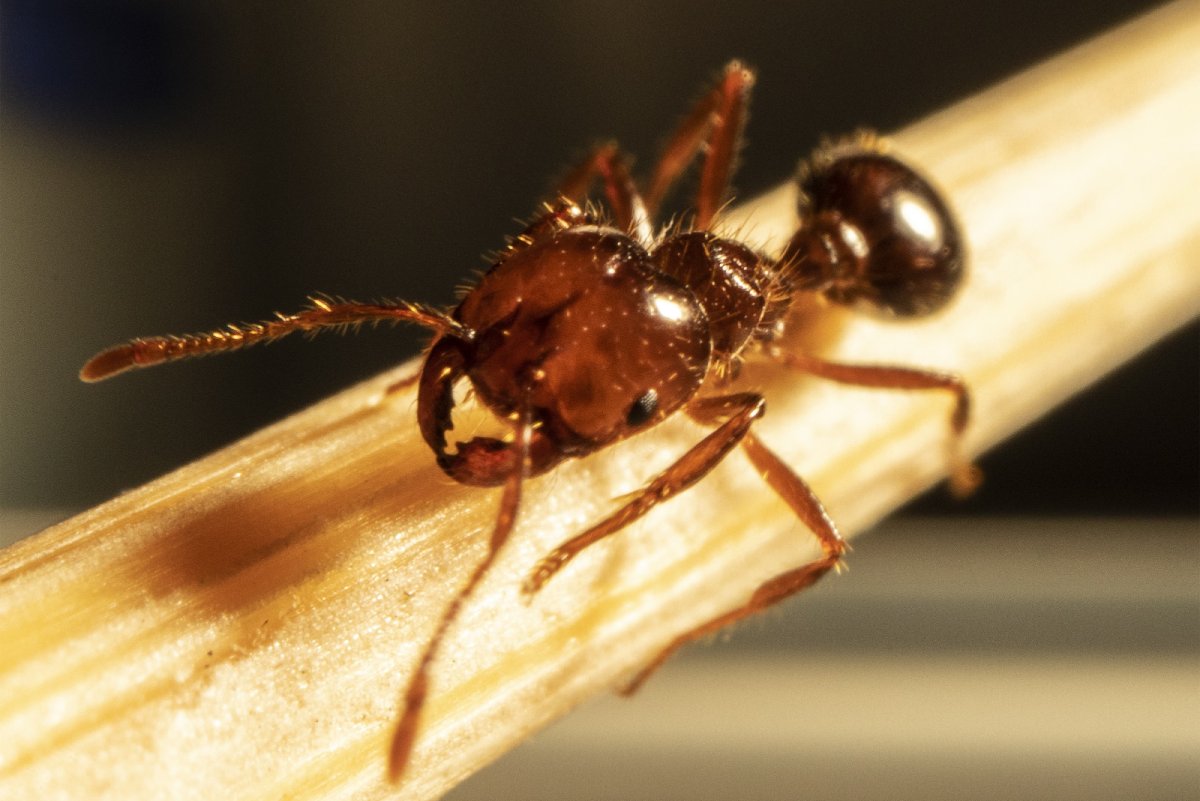




 Fire ants thrive in our local